Your Powerful Kitchen Sidekick
GLP-1 Nutrition Guide
How to eat well while taking GLP-1 medications like Ozempic, Wegovy, Mounjaro, and Zepbound — protecting your muscle, easing side effects, and getting the most from your treatment.
Lauren Manaker, MS, RDN, LD, CLEC, CPT
All content here is reviewed by a certified Registered Dietitian & Nutrition Consultant with 20+ years of clinical nutrition experience.

Lauren Manaker, MS, RDN, LD, CLEC, CPT
All content here is reviewed by a certified Registered Dietitian & Nutrition Consultant with 20+ years of clinical nutrition experience.

Eating Well on GLP-1 Medication
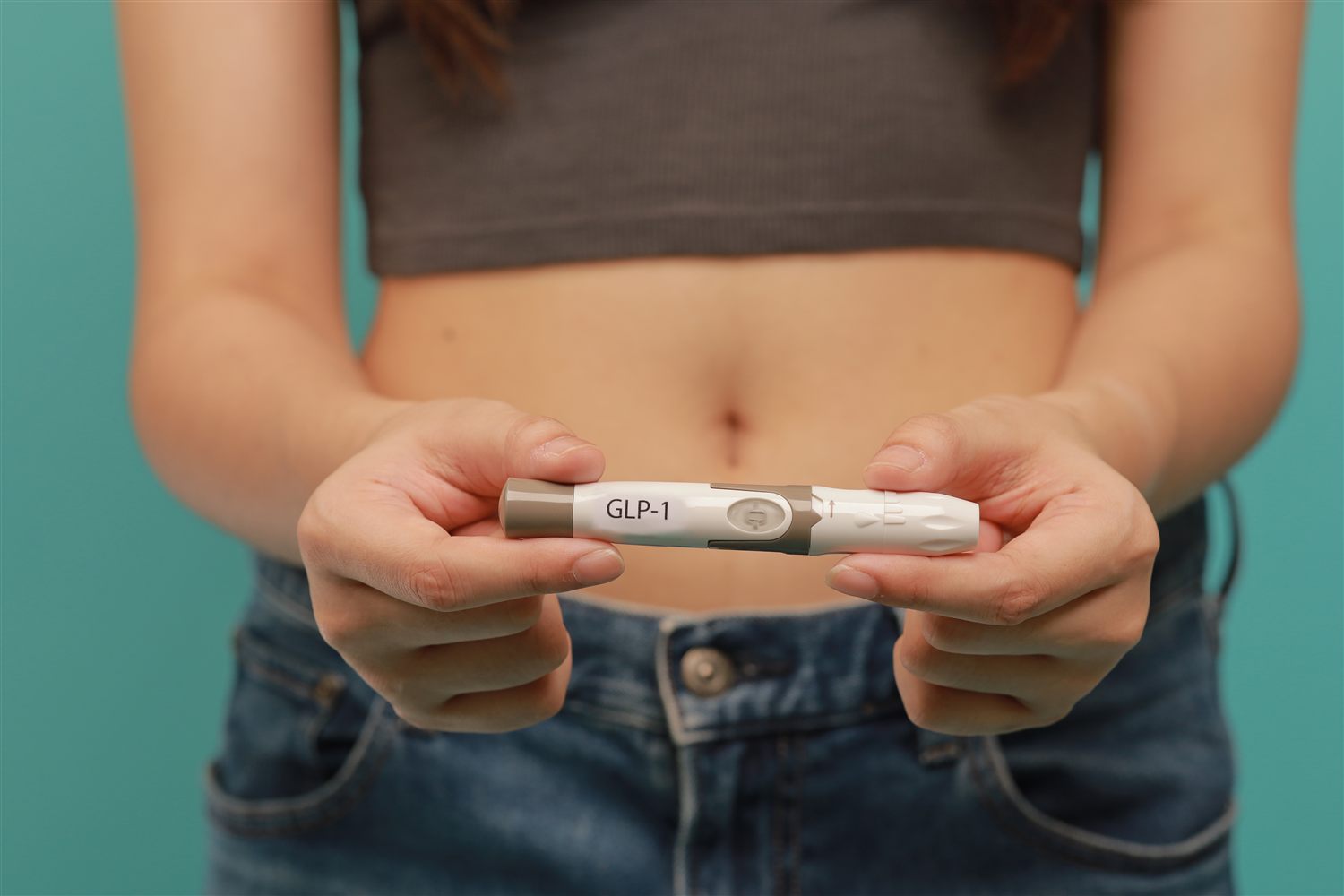
GLP-1-Friendly Recipes
No Results Found
Try removing some filters or adjusting your search!
The Four GLP-1 Eating Priorities
Good to know: there’s no official “GLP-1 diet” — these four habits are simply what dietitians most consistently recommend.
Protein First
On a GLP-1, up to 40% of the weight you lose can come from muscle, not just fat. Eating protein first — before the rest of your plate — protects that muscle while your appetite is small.
How to hit it
- Eggs, Greek yogurt & cottage cheese
- Chicken, fish & lean meats
- Tofu, tempeh & edamame
- Protein shakes when food is hard
“Higher protein intake, often 80–100 grams daily, helps protect muscle during GLP-1 treatment.”
University of Rochester Medical Center ↗
Why Nutrition Matters on GLP-1
Preserve Muscle
Up to 40% of weight lost on a GLP-1 can be muscle. Enough protein plus resistance training keeps that loss low, so you shed mostly fat.
Fewer Side Effects
Gentle, lower-fat, balanced meals and steady hydration ease the nausea, bloating, and constipation that come with slowed digestion.
Steadier Energy
Protein, fiber, and fluids stabilize blood sugar and prevent the fatigue that comes from under-eating on a small appetite.
Avoid Nutrient Gaps
Eating less makes shortfalls in calcium, vitamin D, vitamin B12, and other key nutrients more likely. Nutrient-dense meals — often plus a multivitamin — fill the gaps. Always choose a multivitamin under the guidance of a healthcare provider.
Better, Lasting Results
The medication works best alongside intentional eating and movement, and strong habits help protect your results if you ever taper off.
Healthier Digestion
Fiber and plenty of fluids keep you regular and comfortable while your gut adjusts to the medication.
What to Eat on GLP-1 Medication
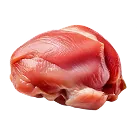
Lean Protein
Eggs, chicken, fish, Greek yogurt, cottage cheese, tofu, and beans — aim to eat it first.
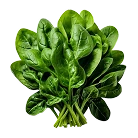
Non-Starchy Vegetables
Leafy greens, peppers, zucchini, tomatoes, and broccoli for fiber and nutrients.
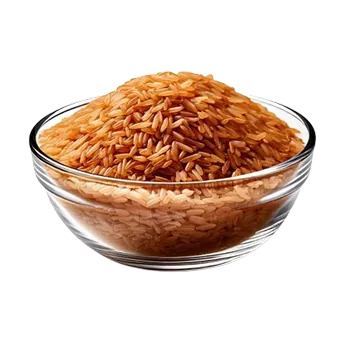
Whole Grains
Oats, quinoa, brown rice, and whole-grain bread to keep digestion moving.
Fruit
Berries, apples, oranges, and other whole fruit for fiber and vitamins.
Fluids
Water, sparkling water, herbal tea, and broth-based soups all day long.
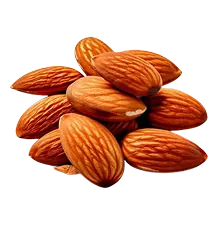
Smart Snacks
Protein shakes, string cheese, hard-boiled eggs, and a small handful of nuts.
A Day of Eating on a GLP-1
Greek Yogurt Bowl
Plain Greek yogurt with berries, chia, and a sprinkle of granola. Coffee or water alongside.
~28g protein
Chicken & Greens
Grilled chicken over leafy greens and quinoa with olive oil. Eat the protein first.
~35g protein
Salmon & Veg
Baked salmon with roasted vegetables and a small portion of whole grains. Stop at first fullness.
~30g protein
Easy Add-Ons
Cottage cheese, a protein shake, string cheese, or a handful of nuts between meals.
~20g protein
Daily total: ~113g protein across small, steady meals
Move to Protect Your Muscle
Strength Train 2–3×
Resistance training — weights, bands, or bodyweight — is the single biggest lever for holding onto muscle while you lose fat. Two or three short sessions a week is plenty to start.
Stay Active Daily
Aim for the standard 150 minutes of moderate activity a week. Daily walks support digestion, energy, and mood — and make the constipation GLP-1s can cause less likely.
Fuel Around It
Have a protein source within a few hours of training to support recovery. On low-appetite days, a protein shake is an easy way to get it in.
“Strength training and physical activity support muscle preservation and metabolism.”
University of Rochester Medical Center ↗
of the weight lost on a GLP-1 can be muscle, not just fat — which is exactly why protein and strength training matter so much.
Source: The Lancet Diabetes & Endocrinology (2024) ↗How Well Are You Eating on GLP-1?
A few good habits are in place, but there’s real opportunity. Start with protein at every meal and steady hydration — the two biggest wins on GLP-1.
Tips for Success on GLP-1
Eat Protein First
Start every meal with your protein source before vegetables and carbs, so you get the most important nutrient in before fullness hits.
Go Small and Frequent
Five or six mini meals are easier to tolerate than three big ones, and they help you reach protein and fiber targets without overfilling.
Hydrate All Day
Aim for 80–100 oz of fluid. Sip steadily between meals rather than gulping during them, which can crowd out food.
Keep Gentle Foods On Hand
On rough days, lean on bland, low-fat options — crackers, toast, rice, bananas, broth — and try cold or room-temperature foods.
Lift Weights
Pair your medication with regular strength training — it’s the other half of protecting muscle while you lose weight.
Managing Common Side Effects
Nausea
The most common early effect. Eat small, bland, low-fat foods — crackers, toast, rice, bananas — try cold or room-temperature meals, sip ginger tea, and stay upright after eating.
Constipation
Slowed gastric emptying backs things up. Increase fiber gradually from produce and whole grains, drink plenty of water, and keep moving. A fiber supplement can help if your provider agrees. Just be sure to consume enough fluids with a fiber supplement to help avoid constipation.
Bloating & Reflux
A fuller stomach can mean gas and heartburn. Eat smaller portions, slow down, limit carbonated drinks and greasy or spicy foods, and don’t lie down right after meals.
Unlock All Guides for Free
Unlock the GLP-1 Guide and 11+ other guides by activating Premium. Eat better, plan smarter, and cook with confidence.

Choose a plan
Common GLP-1 Questions
Check out these answers to common questions and review other information in the
Disclaimer: This content is for general informational and educational purposes only and is not intended as medical advice. Always consult your doctor or a qualified healthcare professional before making significant changes to your diet. GLP-1 medications are prescription drugs; always take them exactly as prescribed and follow your healthcare provider’s guidance. Seek medical care for severe or persistent symptoms, such as intense abdominal pain. This guide does not replace personalized advice from your doctor or a registered dietitian.