Your Powerful Kitchen Sidekick
Gut Health Guide
Nourish the trillions of microbes that power your digestion, immunity, and mood. A practical, food-first guide to building a diverse, resilient gut microbiome through fiber, fermented foods, and plant variety.
Lauren Manaker, MS, RDN, LD, CLEC, CPT
All content here is reviewed by a certified Registered Dietitian & Nutrition Consultant with 20+ years of clinical nutrition experience.

Lauren Manaker, MS, RDN, LD, CLEC, CPT
All content here is reviewed by a certified Registered Dietitian & Nutrition Consultant with 20+ years of clinical nutrition experience.

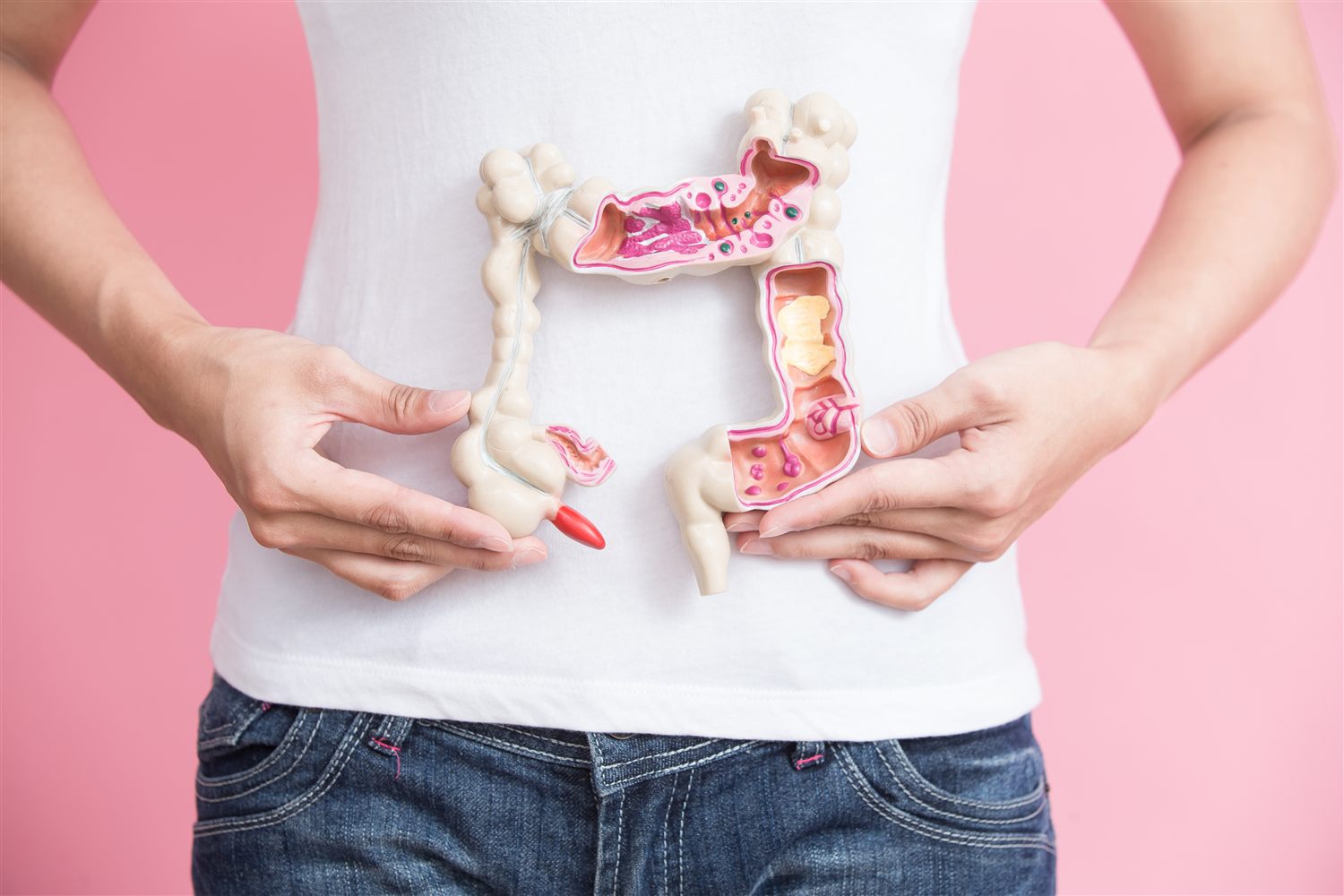
What Is Gut Health?
Gut-Friendly Recipes
No Results Found
Try removing some filters or adjusting your search!
The Four Pillars of Gut Health
Good to know: there’s no single “gut diet” — variety and consistency matter far more than any one food.
Fiber & Prebiotics
Your gut bacteria ferment fiber into short-chain fatty acids that nourish your gut lining, calm inflammation, and support immunity. Fiber is one of the most important fuels for a healthy microbiome.
What to eat
- Oats, barley & whole grains
- Beans, lentils & chickpeas
- Onions, garlic, leeks & asparagus
- Slightly green bananas
“The fermentation of fiber in the colon is driven by the gut microbiota.”
Dietary Fiber Intake and Gut Microbiota, PMC (2022) ↗
Why Gut Health Matters
A Diverse Microbiome
A variety of fiber and plants feeds more species, and a diverse microbiome is the hallmark of a resilient, healthy gut.
Smoother Digestion
Fiber and fermented foods keep things regular and help ease bloating, gas, and constipation.
Stronger Immunity
Around 70% of your immune system lives in your gut; a thriving microbiome helps it work well and calms inflammation.
Better Mood & Focus
Through the gut-brain axis, your microbes influence mood, stress resilience, and mental clarity.
Steadier Energy
Fiber slows digestion for steadier energy and a gentler blood-sugar response after meals.
Long-Term Health
A healthy, diverse gut is linked to better heart, metabolic, and long-term health outcomes.
What to Eat for a Healthy Gut
Whole Grains
Oats, quinoa, barley, brown rice, and whole-grain bread for fermentable fiber.
Legumes & Beans
Lentils, chickpeas, and black beans — among the best foods for your microbes.
Colorful Vegetables
Leafy greens, peppers, broccoli, beets, and carrots — eat the rainbow.
Fruit
Berries, apples, bananas, and citrus for fiber and polyphenols.
Fermented Foods
Yogurt, kefir, kimchi, sauerkraut, and kombucha for live cultures.
Nuts, Seeds & Herbs
Almonds, walnuts, chia, and flax — and yes, herbs and spices count too.
of your immune system lives in your gut — so what you feed your microbiome is a frontline defense for your whole body.
Source: UCLA Health ↗How Gut-Friendly Is Your Diet?
A few good habits are in place, but your microbiome is hungry for more variety. Start with an extra plant or two a day and a daily fermented food.
Tips for a Healthier Gut
Aim for 30 Plants a Week
Count every vegetable, fruit, legume, nut, seed, herb, and spice. Variety matters more than quantity — each new plant feeds different microbes.
Add a Daily Ferment
A spoonful of yogurt, kefir, kimchi, or sauerkraut introduces live microbes. Build up gradually and choose live cultures.
Go Slow with Fiber
If you’re not used to lots of plants, increase fiber gradually with plenty of water to avoid gas and bloating.
Eat the Rainbow
Different colors mean different polyphenols, so mix colors across your plate and your week.
Feed Your Gut Beyond Food
Sleep, movement, and stress management all shape your microbiome through the gut-brain axis.
Beyond the Plate
Move Your Body
Regular activity is linked to greater microbial diversity. Even daily walks benefit your gut as much as the rest of you.
Manage Stress
The gut-brain axis runs both ways: chronic stress can disrupt your microbiome, so build in regular ways to unwind.
Prioritize Sleep
Poor sleep is tied to a less favorable gut profile. Aim for consistent, quality rest to keep your microbes in rhythm.
Unlock All Guides for Free
Unlock the Gut Health Guide and 11+ other guides by activating Premium. Eat better, plan smarter, and cook with confidence.

Choose a plan
Common Gut Health Questions
Check out these answers to common questions and review other information in the
Disclaimer: This content is for general informational and educational purposes only and is not medical advice. If you have a digestive condition such as IBS, IBD, or celiac disease, are pregnant, or take medications, talk to your doctor or a registered dietitian before making significant changes — some high-fiber or fermented foods may need to be adjusted for your needs.