Your Powerful Kitchen Sidekick
Ketogenic (Keto) Guide
A low-carb, high-fat, moderate protein diet that shifts your body into ketosis, making fat your main source of energy and steady fuel.
Lauren Manaker, MS, RDN, LD, CLEC, CPT
All content here is reviewed by a certified Registered Dietitian & Nutrition Consultant with 20+ years of clinical nutrition experience.

Lauren Manaker, MS, RDN, LD, CLEC, CPT
All content here is reviewed by a certified Registered Dietitian & Nutrition Consultant with 20+ years of clinical nutrition experience.

What is the Keto Diet?

See How Keto Splits Your Macros
Your details
Save as my nutrition goals
Sync these numbers to your account so every recipe and target is personalized.
The classic approach: very low carb, high fat, moderate protein. Best for most people starting keto and for steady, sustained ketosis.
Keto Recipes
No Results Found
Try removing some filters or adjusting your search!
Ketogenic Diet: Tips for Success
Transition Slowly
Start by slowly reducing carbs over a week to help your body adapt to ketosis without overwhelming side effects like the "keto flu."
Stay Hydrated
Drink plenty of water throughout the day to avoid dehydration and electrolyte imbalances.
Meal Prep
Prepare meals and snacks in advance to stay on track and resist carb-heavy temptations.
Track Macros
Use a tracking app to ensure you're meeting your daily carb, fat, and protein targets.
Monitor Ketosis
Consider using urine strips or a blood ketone monitor to check if you're in ketosis.
Mind Electrolytes
Replenish sodium, potassium, and magnesium to prevent fatigue and the keto flu.
Meal Planning Tips
Plan Ahead
Prep keto meals and snacks in advance so a low-carb option is always within reach.
Read Labels
Scan labels for hidden sugars and net carbs — many “healthy” foods aren’t keto.
Consistent Timing
Eat at regular intervals to steady energy and keep carb cravings in check.
of your daily calories on keto come from fat
By keeping carbs very low, your body switches from burning glucose to burning fat for fuel — the metabolic state called ketosis.
What to Avoid
On keto, you'll want to avoid:
Explained:
Avoid high-carb foods like bread, pasta, rice, and cereals, as well as starchy vegetables like potatoes, corn, and peas. Sugary items such as candy, soda, and baked goods, along with most fruits (except small portions of berries), should also be excluded. Stay away from processed and packaged foods, including snacks, frozen meals, and sauces with hidden sugars or starches.
Bread, Pasta, Rice, and Cereals: These staples are rich in carbohydrates and can quickly raise blood sugar levels, disrupting ketosis.
- Bread: Includes white, whole wheat, and multigrain bread, as well as bagels and rolls.
- Pasta: Traditional wheat-based pasta and noodles. Opt for alternatives like zucchini noodles or shirataki noodles.
- Rice: Both white and brown rice are high in carbs; substitute with cauliflower rice for a keto-friendly option.
- Cereals: Many breakfast cereals, even whole-grain or “healthy” options, contain added sugars and are high in carbs.
What You Can Eat
Additional Tips:
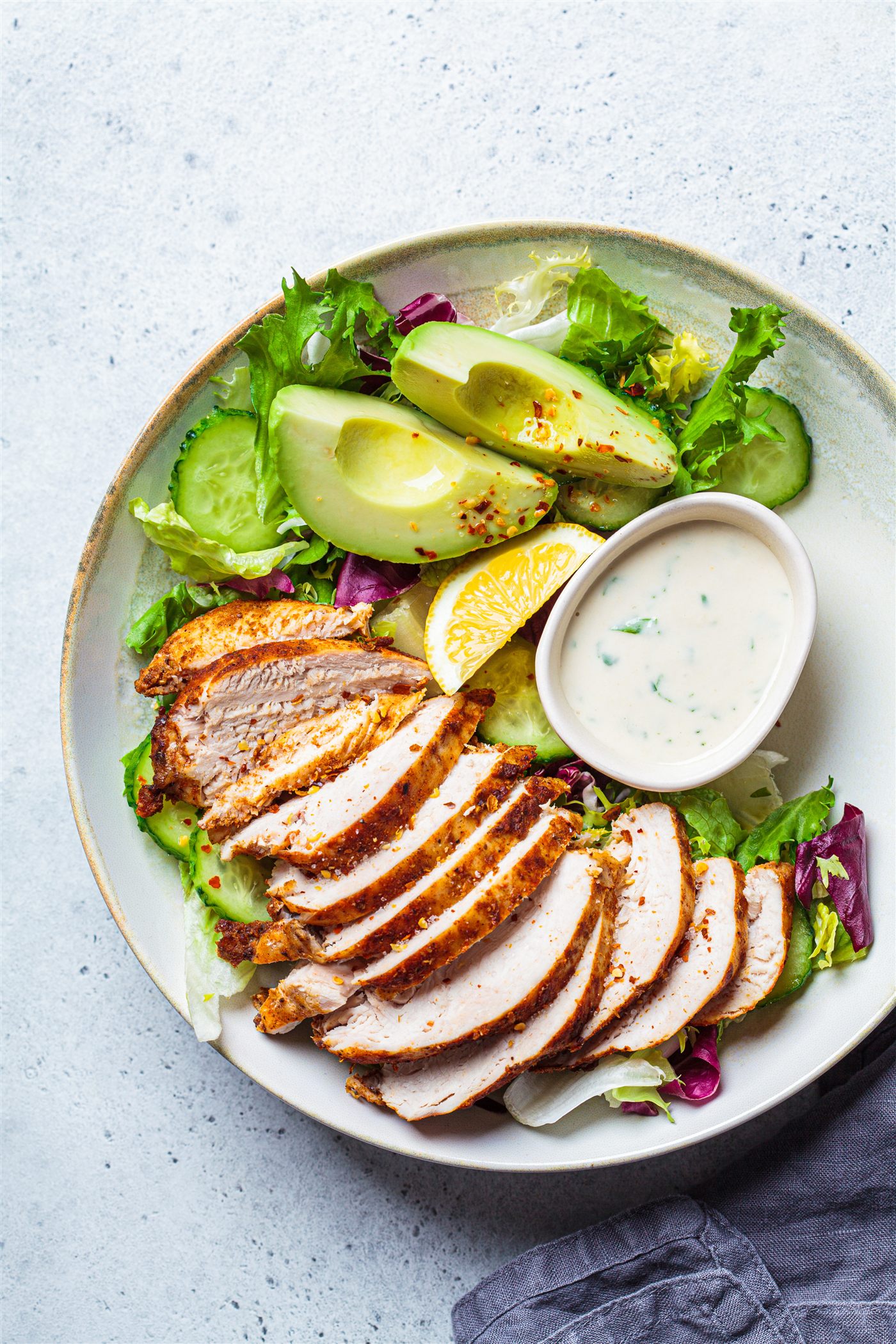
Focus on high-fat, low-carb foods like avocados, olive oil, fatty cuts of meat, and fish rich in omega-3s such as salmon and mackerel. Include low-carb vegetables like leafy greens, broccoli, zucchini, and bell peppers, along with moderate amounts of protein from meat, seafood, and eggs. Full-fat dairy, nuts, seeds, and beverages like water, unsweetened tea, coffee, and bone broth round out the keto-friendly options.
Avocados: Packed with healthy monounsaturated fats, fiber, and potassium. Perfect for salads, smoothies, or as guacamole.
Oils and Fats:
- Olive oil: Great for drizzling over vegetables or salads.
- Coconut oil: Rich in MCTs, it boosts energy and ketone production.
- Butter and ghee: Perfect for cooking or adding to keto coffee.
- Lard: A versatile fat for frying or roasting.
Fatty Cuts of Meat: Ribeye steak, pork belly, and chicken thighs with skin are flavorful, nutrient-dense options.
Fatty Fish: Salmon, mackerel, and sardines provide omega-3 fatty acids and support overall health.
Nuts and Seeds: Nuts and seeds are low in carbs and high in healthy fats. Many varieties also provide fiber and antioxidants to support heart health.
Health Benefits of the Keto Diet
Unlock All Guides for Free
Unlock the Keto Guide and 11+ other guides by activating Premium. Eat better, plan smarter, and cook with confidence.

Choose a plan
Common Keto Diet Questions
Check out these answers to common questions and review other information in the
This guide is for general nutrition education only and is not medical advice. A ketogenic diet may not be appropriate for everyone, including people who are pregnant or breastfeeding, have diabetes, kidney, liver, pancreatic, or gallbladder conditions, have a history of disordered eating, or take medications that may be affected by dietary changes. Consult a physician, registered dietitian, or other qualified healthcare professional before starting a ketogenic diet.