Your Powerful Kitchen Sidekick
Mediterranean Guide
A plant-forward way of eating built on vegetables, whole grains, legumes, nuts, and extra-virgin olive oil — with fish and seafood as the one of the main protein. Flavorful, flexible, and among the most studied diets for long-term health.
Lauren Manaker, MS, RDN, LD, CLEC, CPT
All content here is reviewed by a certified Registered Dietitian & Nutrition Consultant with 20+ years of clinical nutrition experience.

Lauren Manaker, MS, RDN, LD, CLEC, CPT
All content here is reviewed by a certified Registered Dietitian & Nutrition Consultant with 20+ years of clinical nutrition experience.

The Mediterranean Diet
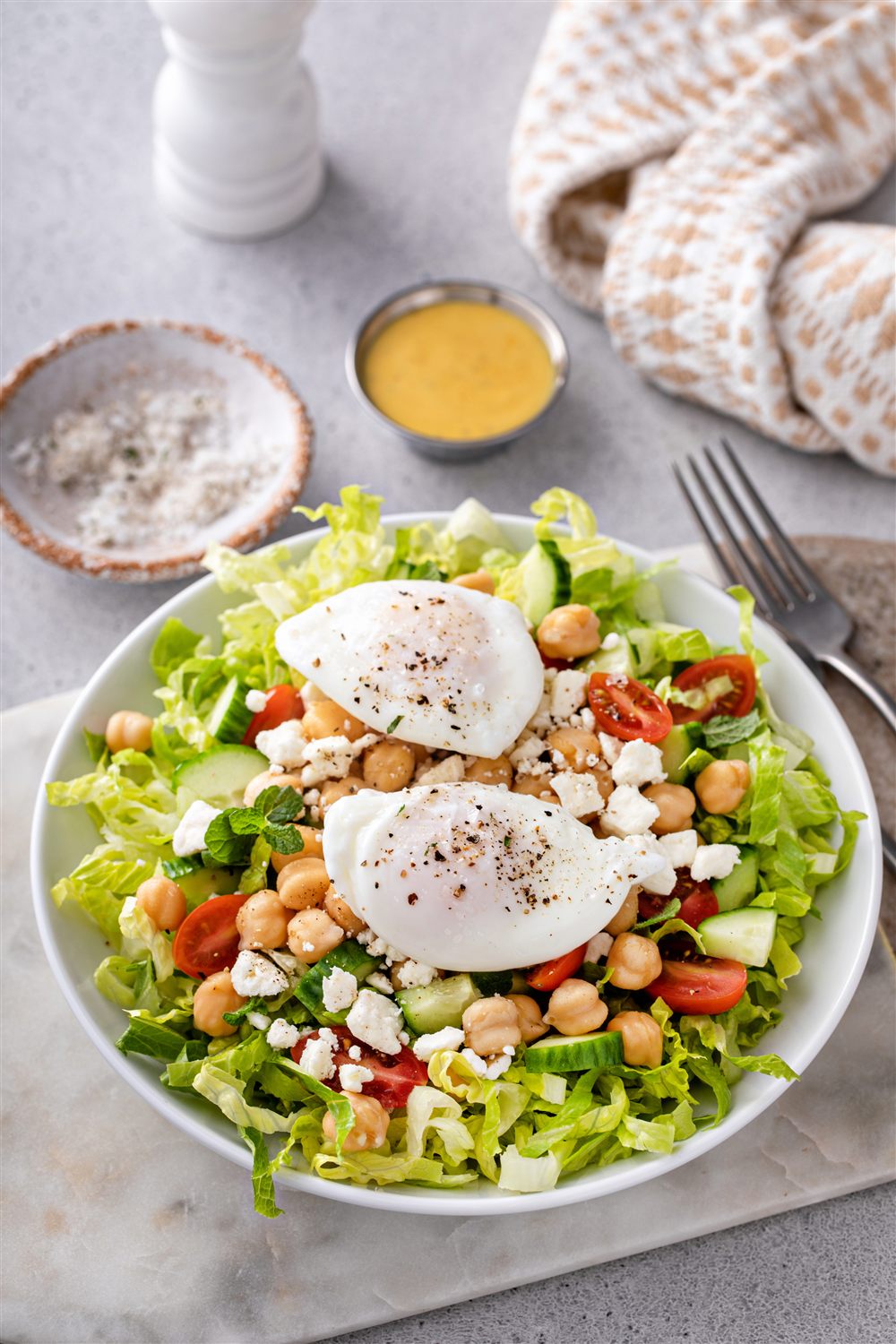
Mediterranean Recipes
No Results Found
Try removing some filters or adjusting your search!
The Mediterranean Diet Pyramid
At the foundation: daily movement, shared meals, and plenty of water.
Plants & Olive Oil
- Vegetables & fruit
- Whole grains
- Legumes & beans
- Nuts & seeds
- Extra-virgin olive oil
- Herbs & spices
What are the Benefits of the Mediterranean Diet?
Heart Health
Olive oil, fish, nuts, and abundant produce are repeatedly linked to lower rates of heart attack, stroke, and cardiovascular death.
Brain Health
Omega-3 fats and plant polyphenols support cognition and are associated with a lower risk of age-related cognitive decline.
Longevity
It’s the most-studied dietary pattern for healthy aging, associated with longer life and more vitality into older age.
Blood Sugar & Metabolism
Fiber from legumes and whole grains steadies blood glucose and supports healthy metabolic markers, lowering type 2 diabetes risk.
Less Inflammation
Healthy fats and fiber feed a beneficial gut microbiome and help reduce chronic, system-wide inflammation.
Weight Management
Satisfying whole foods and healthy fats support sustainable weight management without strict restriction or calorie counting.
What to Eat on the Mediterranean Diet

Vegetables & Fruit
Fill half your plate with colorful produce — tomatoes, leafy greens, peppers, eggplant, berries, and citrus.
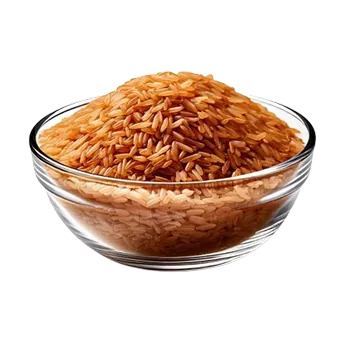
Whole Grains
Whole-grain bread, farro, bulgur, oats, and brown rice for steady energy and fiber.
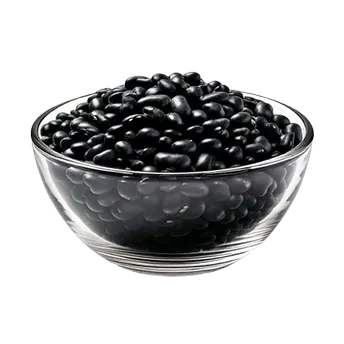
Legumes & Beans
Chickpeas, lentils, and white beans bring plant protein and fiber to most meals.
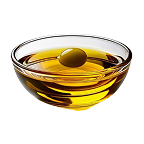
Extra-Virgin Olive Oil
The primary fat of the diet — drizzle over vegetables, salads, and finished dishes.
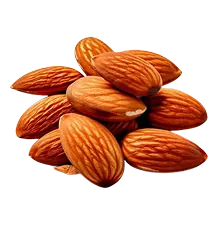
Nuts & Seeds
A daily handful of almonds, walnuts, or pistachios; sesame and chia stirred into dishes.
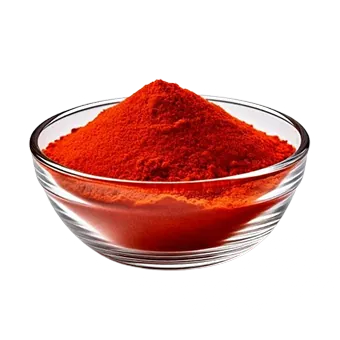
Herbs & Spices
Basil, oregano, garlic, parsley, and cumin add flavor with little need for salt.
How Mediterranean Is Your Diet?
You have plenty of room to lean Mediterranean. Start with two easy wins this week — cook with olive oil and add a vegetable to every meal.
Tips for Success on the Mediterranean Diet
Cook with Olive Oil
Make extra-virgin olive oil your main fat for cooking, dressing, and finishing dishes in place of butter or processed oils.
Fill Half Your Plate with Plants
Build meals around vegetables, fruit, legumes, and whole grains, and treat meat as a side rather than the centerpiece.
Eat Fish Twice a Week
Plan two seafood meals each week, and keep canned sardines, tuna, and salmon on hand for easy omega-3s.
Flavor with Herbs, Not Salt
Lean on garlic, oregano, basil, lemon, and spices for big flavor while keeping sodium low.
Slow Down & Share Meals
Eat with others when you can, savor your food, and make water your main drink.
How to Get Started
Swap in Olive Oil & Plants
Start by cooking with olive oil and adding an extra vegetable, fruit, or serving of beans to your day.
Shift Your Proteins
Make fish the star twice a week, enjoy poultry and eggs in moderation, and pull back on red meat.
Make It a Lifestyle
Choose whole grains, snack on nuts and fruit, share meals with others, and let the pattern become a lasting habit.
Unlock All Guides for Free
Unlock the Mediterranean Guide and 11+ other guides by activating Premium. Eat better, plan smarter, and cook with confidence.

Choose a plan
Common Mediterranean Questions
Check out these answers to common questions and review other information in the
Disclaimer: This content is for general informational and educational purposes only and is not intended as medical advice. Always consult your doctor or a qualified healthcare professional before making significant changes to your diet, especially if you are pregnant, nursing, have a medical condition, take medications, or have specific nutritional needs. Individual health needs can vary, and a Mediterranean diet may not be appropriate for everyone without personalized guidance.