Your Powerful Kitchen Sidekick
Muscle Building Guide
Smart, practical nutrition for building lean muscle — hit your protein, fuel your training, and stay consistent.
Lauren Manaker, MS, RDN, LD, CLEC, CPT
All content here is reviewed by a certified Registered Dietitian & Nutrition Consultant with 20+ years of clinical nutrition experience.

Lauren Manaker, MS, RDN, LD, CLEC, CPT
All content here is reviewed by a certified Registered Dietitian & Nutrition Consultant with 20+ years of clinical nutrition experience.

Intro to Muscle Building
Most Helpful Things to Know:

Estimate Your Daily Calories
Your details
Save as my nutrition goals
Sync these numbers to your account so every recipe and target is personalized.
Your daily target
Maintenance ≈ 2,658 cal · BMR ≈ 1,715 cal
Estimates only. Always consult a healthcare provider before starting a new nutrition or training plan.
Muscle-Building Recipes
No Results Found
Try removing some filters or adjusting your search!
Supplementing a Muscle-Building Diet

Lifestyle Habits That Support Muscle Growth
Strength Train Regularly
Progressive overload is essential for continuous gains. Gradually increasing weight, reps, or intensity ensures muscles continue to adapt and grow.
Prioritize Sleep
Aim for 7–9 hours per night to optimize recovery and growth. Deep sleep is when muscle repair and hormone production peak, making it crucial for progress.
Manage Stress
High stress levels can increase cortisol, which may hinder muscle development. Incorporating relaxation techniques like meditation or deep breathing can help regulate stress hormones.
Stay Active on Rest Days
Light activities like walking or stretching promote recovery. Active recovery helps reduce soreness, improve circulation, and keep muscles primed for the next workout.
How to Transition to a Muscle-Building Diet
Gradually Increase Calories
Add an extra 200–300 calories per day to support muscle growth.
Plan Your Macros
Aim for a balanced ratio of protein, carbohydrates, and fats.
Cook in Batches
Preparing meals in advance prevents reliance on unhealthy options.
Common Mistakes to Avoid
Not Eating Enough Protein
Aim for at least 1.2–2.0 grams of protein per kilogram of body weight.
Skipping Post-Workout Nutrition
Consuming protein and carbs within 30-60 minutes after a workout aids recovery.
Not Drinking Enough Water
Dehydration can hinder muscle growth and performance.
Over-Reliance on Supplements
Whole foods should be the foundation of your nutrition plan.
Inconsistent Eating Habits
Skipping meals or undereating can slow down muscle-building progress.
Neglecting Progressive Overload
Failing to challenge your muscles with increased resistance over time can stall growth.
Recommended Ingredients
The best ingredients for muscle building are protein-rich and nutrient-dense—like lean meats, eggs, legumes, whole grains, and healthy fats—to fuel training and support recovery.

Chicken Breast

Salmon

Lean Beef

Eggs
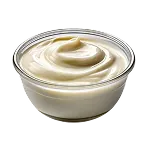
Greek Yogurt

Tofu
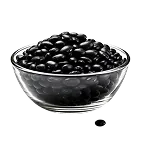
Lentils

Tempeh

Core Principles of a Muscle-Building Diet
A muscle-building diet emphasizes the right balance of protein, healthy fats, and carbohydrates to support muscle growth and recovery. By fueling your body with nutrient-dense foods and maintaining consistency, you can optimize strength and performance over time.
Eat High-Quality Protein
Aim for lean sources like chicken, fish, tofu, and eggs.
Increase Healthy Fats
Avocados, nuts, oily fish, and olive oil support muscle recovery and hormone health.
Consume Enough Calories
A caloric surplus is needed to gain muscle efficiently.
Choose Complex Carbohydrates
Options like whole grains, sweet potatoes, and legumes provide energy.
Prioritize Post-Workout Nutrition
Consuming protein and carbs after training aids recovery.
Stay Consistent
Muscle growth requires sustained nutritional support and training.


What to Keep in Mind
A muscle-building diet emphasizes nutrient-dense foods that supply essential amino acids, healthy fats, and complex carbohydrates. Eating strategically can maximize muscle gain while minimizing fat accumulation.

Unlock All Guides for Free
Unlock the Muscle Building Guide and 11+ other guides by activating Premium. Eat better, plan smarter, and cook with confidence.

Choose a plan
Common Muscle Building Questions
Check out these answers to common questions and review other information in the
This content is for informational purposes only and is not medical, nutrition, or fitness advice. Consult your doctor or a qualified healthcare professional before making major changes to your diet, supplements, or exercise routine. Individual needs and results may vary.